Suede ahead
We produce Dinamica® by applying the principles of the circular economy and ensuring high standards throughout the entire production cycle.
This is how we have always worked and will continue to work.
Miko s.r.l. was founded in 1997 and based its head office in Gorizia. Since the beginning of its activities, the company focused on the production of Dinamica®, a suede which resembles suede and is obtained through an innovative process for recycling polyester* and initially used in the furnishings and fashion sectors.
* Recycled fibre content varies depending on the product and application.About us
Intuition, entrepreneurship, continuous investment in research and development are the drivers that over the years have enabled us to approach even the most demanding sectors, in particular the automotive sector.
To do business for business’s sake is not a sustainable choice neither for us nor for our customers. We cannot just be good at manufacturing an exceptional product. The way we manufacture it is what makes the difference.


Governance
Miko is an Italian limited liability company which is part of the Sage Group Automotive Interiors, with its head office in South Carolina (United States), a subsidiary of the Japanese Asahi Kasei Corporation.
Miko has always been committed to adhering to a series of ethical principles which, from 1997 to the present day, have inspired and guided its entire management system as stated in our Organisational Model and Code of Ethics. By strictly complying with these values Miko has achieved a leading position among Italian companies.

Our focus on achieving quality and protecting the environment is evidenced by the certifications received from international institutions with which Miko has always worked with the strictest rigour.
Agenda 2030
Miko does not only focus on the quality of the product but is also committed to achieving the objectives for sustainable development set out in the United Nations’ 2030 agenda.
We believe that sustainable development is the best way for us to grow, evolve and manage the share capital both for our benefit and for that of future generations.
Contributing to a more sustainable future, meeting its own needs for growth, development, and well-being, without jeopardizing resources for future generations, is a responsibility that Miko has decided to embrace.
It sets clear and transparent goals: to continue investing in a path toward decarbonization through process efficiency and to offset 110% of its annual Scope 1 and 2 emissions, measured according to the GHG Protocol, in line with the highest global scientific standards.

Dinamica® is the suede produced in part by using recycled polyester (the recycled content varies according to the product line and application) without the use of organic solvents but using a water-based process.
Dinamica®'s production is designed to be respectful of both the environment and people.
Our path towards responsible production began in 1997 with the invention of a recycled microfibre* processed with water, and continues today through support for environmental restoration projects that improve forest ecosystems and their biodiversity
Our Sustainability Report, based on Global Reporting Initiative (GRI) guidelines, captures what responsibility means to us: minimising our environmental footprint by reducing emissions and resource consumption, and by using renewable energy and recycled materials.
Caring for the environment goes hand in hand with caring for people — which is why we place great importance on the wellbeing and safety of those who work alongside us every day.
Read our sustainability reports:
SR 2021 SR 2022Toward a Net-Zero Strategy
Miko is committed to adopting the most rigorous and up-to-date standards in environmental responsibility, such as the Science-Based Targets Initiative (SBTi).
It follows the mitigation hierarchy, which means it measures emissions and is committed to improving the efficiency of its production processes to reduce them at the source.
Outside its own value chain, starting in 2025, it will offset Scope 1 and 2 emissions with Verra-certified carbon credits.
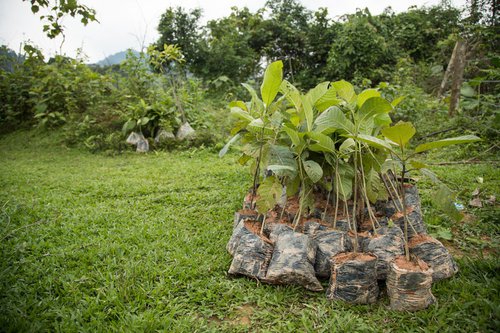
At the same time, since 2019, it has supported forestry projects that contribute to ecosystem regeneration and CO2 capture. The goal is not only to reduce emissions but also to contribute to the health of the regions where Miko operates.
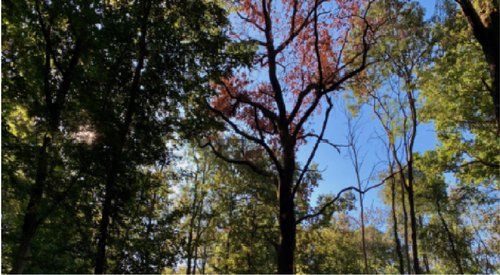
Starting with our region, Friuli Venezia Giulia, we supported the responsible forest management of Bosco Sacile from 2018 to 2021. In doing so, we sequestered 17,619.59t/CO2, preventing their release into the atmosphere.
To achieve its environmental goals, Miko follows the mitigation hierarchy: first, it measures its impacts; then, it reduces them; and finally, it offsets any remaining emissions.
The process began with an analysis of the direct and indirect emissions from the production facility at Via Ressel 3 in Gorizia, and has since been progressively expanded to cover all stages of the production process across the entire supply chain.
To contribute to the European Commission’s carbon neutrality goals, Miko has chosen Etifor as its scientific partner. The company, founded as a spin-off of the University of Padua, employs a systematic method based on the mitigation hierarchy in accordance with the Science Based Targets Initiative (SBTi) standards.
This is the goal we have set for ourselves, and to achieve it, we have embarked on a scientific approach based on two main pillars: the gradual reduction of our emissions and the restoration of ecosystems through investments in forestry projects.
From 2021 to 2025, Miko has offset up to 49% of its total carbon footprint.
The goal is to offset 110% of Scope 1 and 2 emissions. At the same time, Miko is investing in a decarbonization process through energy efficiency, the adoption of renewable energy, and the optimization of production processes. In addition to this internal initiative, Miko annually funds forestry projects in Friuli Venezia Giulia and Vietnam, which contribute to CO2 sequestration and biodiversity conservation outside its production chain, in compliance with with the highest standards of responsible forest management.
Measure
Since 2011, Miko has adopted a Life-Cycle-Thinking approach by using the Life Cycle Assessment (LCA) from cradle to gate methodology and the Environmental Product Declaration (EPD®).
These days we know exactly how much water we consume, how much CO2 we emit and how much pollution we produce at every stage in the life cycle of the product.
In order to make the method applied for the EPD® certification systematic, in 2013 Miko obtained the certification of the EPD® Process*****. This certification makes it possible for Miko to automatically and internally collect and validate the data and to issue new EPD®s for the certification. This is where the eco-design concept comes from: products designed to improve Dinamica® environmental performance.
***** As part of the International EPD® System program verified by an organization which is accredited for the certification.
Avoid
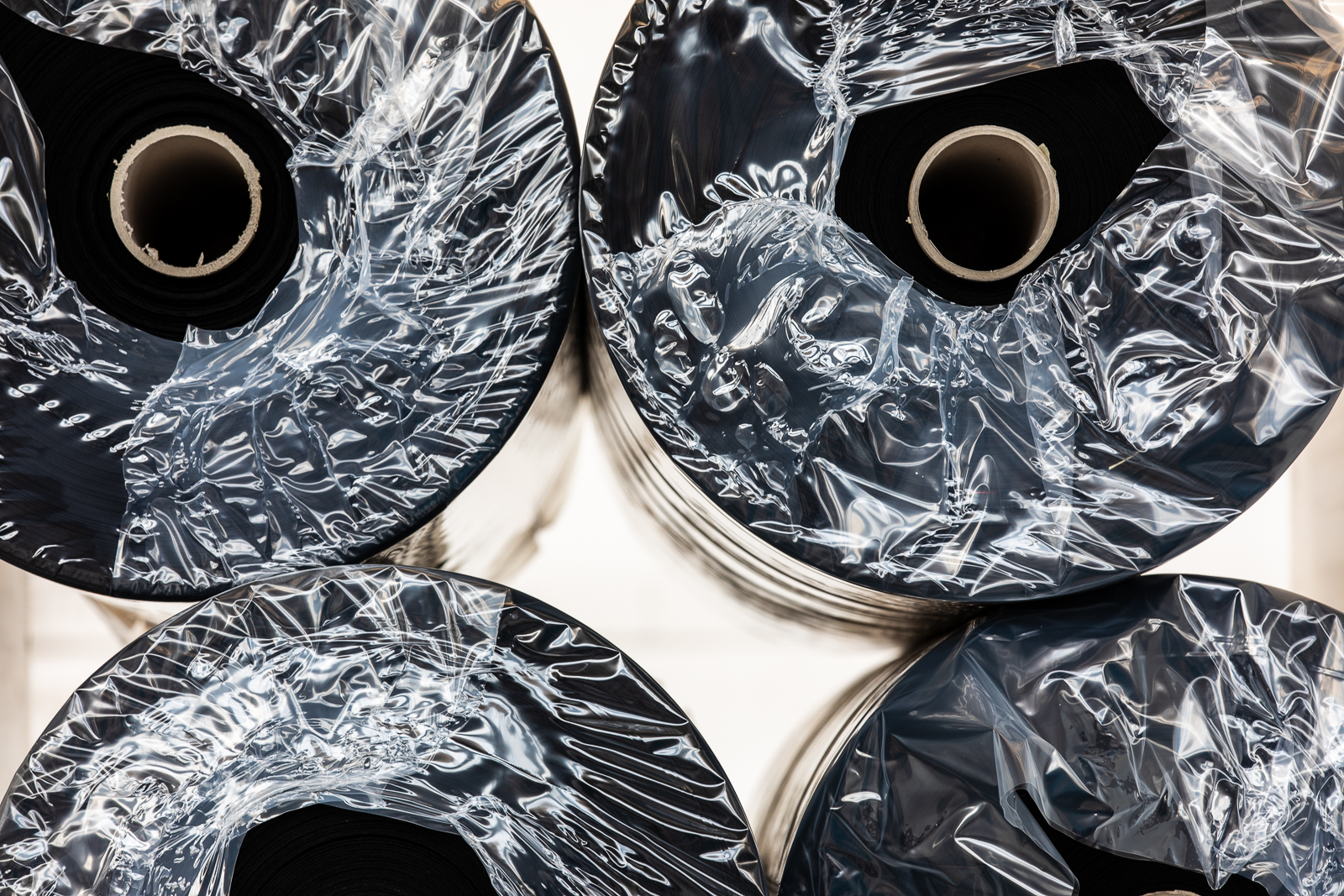
Dinamica® is a suede used in the automotive, fashion and furnishings sector produced through the use of recycled materials in various percentages depending on the product line and the application. Its production process enables it to extract fewer virgin raw materials since it uses a part of recycled fibres of waste products which would normally be sent to landfill sites or incinerated.
We have designed a luxury recycled* product by embracing a number of environmental issues which today are of key importance.
* Recycled fibre content varies depending on the product and application.Our commitment to the circular economy

Dinamica® is currently used for products intended for the luxury, design and high-tech segments. Furthermore, in order to ensure the circularity of the entire life cycle of the suede, Miko is exploring ways of recycling Dinamica® at the end of its useful life and turning it into semi-finished products such as thermal and sound insulation panels.
In 2013, in order to improve its own environmental performance, Miko developed a number of important projects which contributed towards the optimisation of the production cycles leading to a significant reduction in the consumption of energy, water and chemical products used in the various production stages.
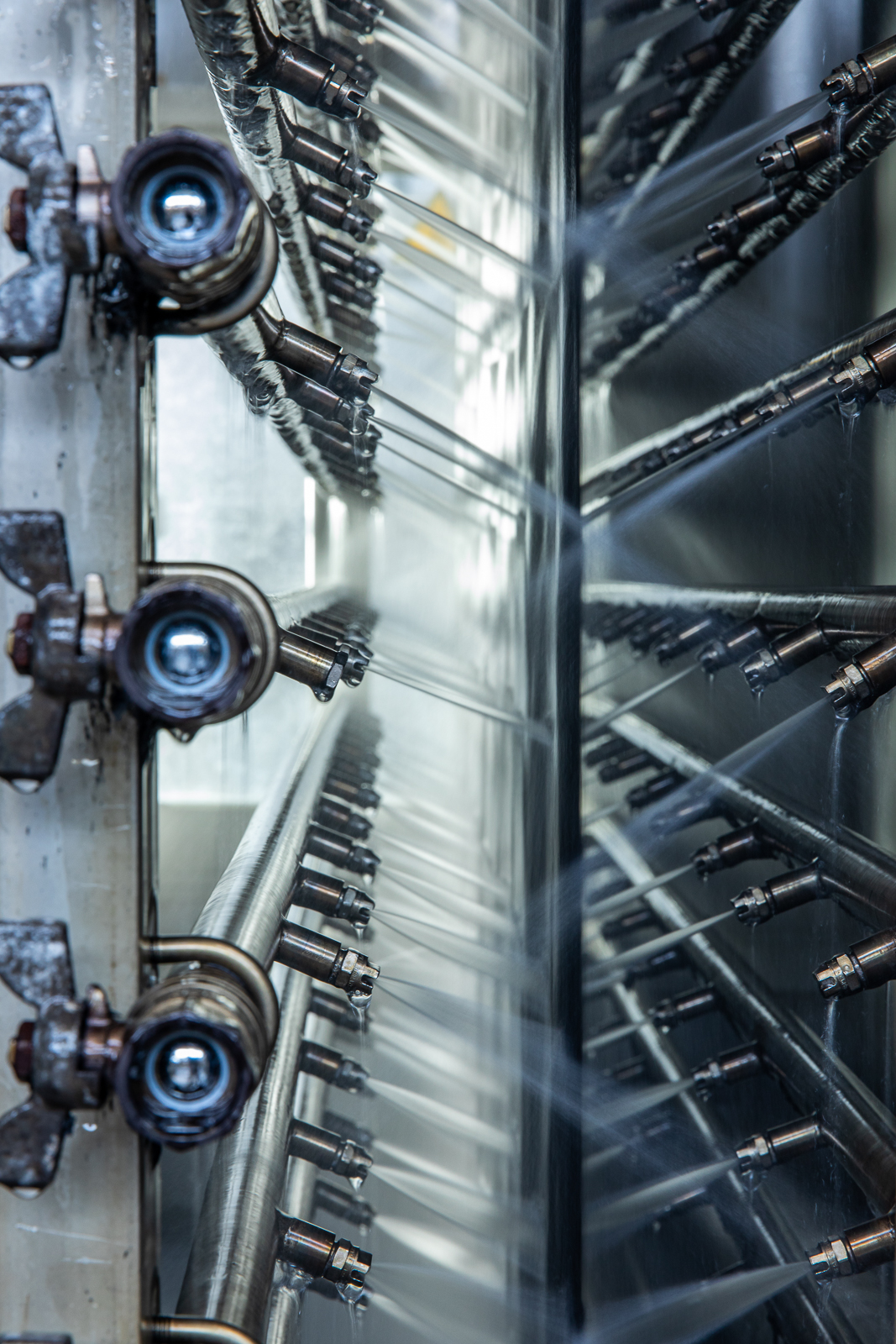
Furthermore, since 2014 Miko has reduced its consumption of water by adopting an internal recirculation system that entails re-using some of the water from the washing phase.
Furthermore, with regard to its energy requirements, Miko obtains some renewable energy from 1 MW solar panels located on the roof of the factory, a further sign of our commitment to the application of the principles of the circular economy.
From 2021, all electricity used by the company comes from renewable sources.
Risk
The effects of the climate crisis—such as an increase in extreme weather events, the greatest loss of biodiversity ever recorded, and rising global average temperatures—are considered the greatest risks we face.
Since its founding, Miko has been committed to caring for the communities where it operates to reduce environmental risks associated with extreme events, such as storms, wind gusts, hail, and heat waves.
We support environmental improvement projects close to our facilities in both Friuli Venezia Giulia and Vietnam, helping to mitigate the growing risks posed by changing climatic conditions.
Capture
Trees play a vital role in the carbon cycle: through photosynthesis, they absorb carbon dioxide (CO2) from the atmosphere and convert it into biomass, storing carbon in their trunks,roots, and the soil.
In addition to capturing CO2, they help regulate the microclimate, support the water cycle, and preserve biodiversity by providing habitats for numerous animal and plant species.

For this reason, since 2021, Miko (FSC-N003308) has supported the care and growth of forests in northern Italy and central Vietnam. These forest improvement initiatives are carried out in accordance with the international standards of the Forest Stewardship Council® (FSC®), which ensure responsible forest management from environmental, social, and economic perspectives (www.fsc.org).